
Alcohol Use Disorder AUD in the United States: Age Groups and Demographic Characteristics National Institute on Alcohol Abuse and Alcoholism NIAAA
27 Best Remote Jobs For College Students
January 9, 2023Glory Casino Bangladesh: The Very Best Online Casino App 2024
January 11, 2023Adolescents’ perceptions of great risk of harm from substance use also declined slightly from 2015 to 2019 for smoking one or more packs of cigarettes per day (from 68.2 to 65.0 percent) and weekly cocaine use (from 80.2 to 78.7 percent). In addition, the perceived great risk of harm declined slightly from 2016 to 2019 for daily binge drinking (from 65.5 to 63.5 percent) and weekly heroin use (from 83.4 to 82.1 percent). Among adolescents aged 12 to 17, the number of past year initiates of prescription pain reliever misuse declined from 415,000 people in 2015 to 245,000 people in 2019 (Figure 32 and 2019 DT 7.41). The number of adolescents in 2019 who initiated prescription pain reliever misuse in the past year averaged to about 670 adolescents each day (Table A.3A). Although prescription pain reliever misuse was the second most common form of illicit drug use in 2019 (Figure 10), most past year users of prescription pain relievers did not misuse them in the past year (Figure 22).
- The percentage of adults aged 18 or older in 2019 who attempted suicide in the past year did not differ from the percentage in each year from 2008 through 2018.
- Non-sanctioned/non-medical/non-prescribed use of these controlled substances is considered drug abuse.
- Among adolescents aged 12 to 17 in 2019, 23,000 people initiated prescription sedative misuse in the past year (2019 DT 7.41), which was similar to the numbers in most years from 2015 to 2018.
- The percentage who attempted suicide in the past year remained stable among this population between 2008 and 2019.
- Among adolescents aged 12 to 17 in 2019, the number of past year initiates of heroin use was not reported due to low statistical precision (Figure 30 and 2019 DT 7.41).
- Among young adults aged 18 to 25, the number of past year initiates of marijuana use increased from 733,000 in 2002 to 1.2 million in 2019 (Figure 28 and 2019 DT 7.43).
These investments enabled the expansion of lifesaving prevention, treatment, and recovery services and supports in communities throughout the country, including the transition to the 988 Suicide & Crisis Lifeline in July 2022. Drug and alcohol abuse have impacted seniors in the United States as it has among younger Americans. Over 5,000 people ages 65 and over in the U.S. died of a drug overdose in 2020, and more than twice that many (11,616) died of alcohol-induced causes. The data are featured in two new reports released today by CDC’s National Center for Health Statistics (NCHS).
Substance Use Treatment in the Past Year
Among adolescents aged 12 to 17 in 2019, 23,000 people initiated prescription sedative misuse in the past year (2019 DT 7.41), which was similar to the numbers in most years from 2015 to 2018. The number of adolescents in 2019 who initiated prescription sedative misuse in the past year averaged to about 60 adolescents each day (Table A.3A). Among young adults aged 18 to 25, the number of past year initiates of inhalant use remained stable between 2015 and 2019 (2019 DT 7.43). In 2019, 250,000 young adults initiated inhalant use in the past year, or an average of about 690 new inhalant users aged 18 to 25 each day (Table A.3A). Among young adults aged 18 to 25, the number of past year initiates of hallucinogen use remained stable between 2015 and 2019 (2019 DT 7.43). In 2019, 681,000 young adults initiated hallucinogen use in the past year, or an average of about 1,900 new hallucinogen users aged 18 to 25 each day (Table A.3A).
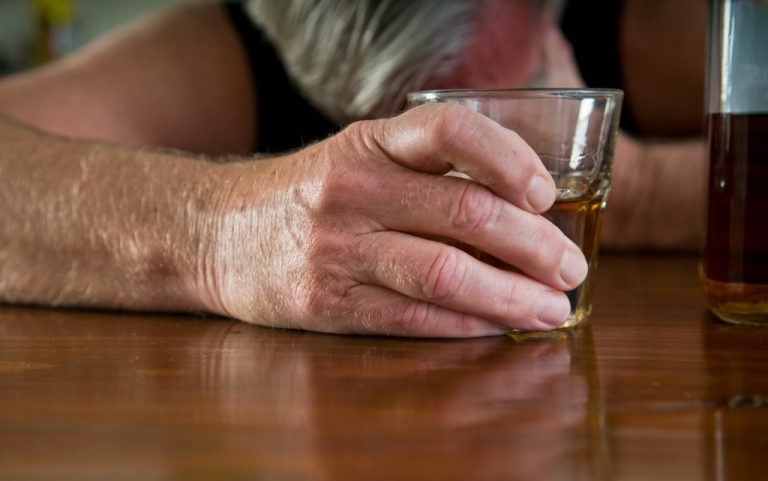
While many European countries report higher amounts of alcohol consumed in a year, America might contend more so with a prevalent binge-drinking cultural problem, experts say. Other uses, including educational products or services sold for profit, must comply with the American Heart Association’s Copyright Permission Guidelines. Attend a support group like Al-Anon, which is designed for the friends and family of people substance abuse in older adults with alcohol problems, or seek out individual counseling. The most important thing to remember is that you’re not alone and help is available to support both you and your elderly family member or friend. Since 1975 the MTF survey has measured drug and alcohol use and related attitudes among adolescent students nationwide. 31 Examples of forms of fentanyl presented to NSDUH respondents are available by prescription.
Perceived Need for Substance Use Treatment
Other common reasons for not receiving services included not knowing where to go for services (33.1 percent for these adults with AMI and 36.8 percent for these adults with SMI) and believing they could handle the problem without treatment (30.5 percent for these adults with AMI and 27.3 percent for these adults with SMI). In addition, 23.4 percent of these adults with SMI were concerned about being committed to a psychiatric hospital or having to take medication. Perceived unmet need for mental health services among adults is estimated from a question that asked all adults aged 18 or older whether there was any time in the past 12 months when they thought they needed treatment or counseling for mental health issues but did not receive services. However, this section presents estimates of the perceived unmet need for mental health services among adults with AMI or SMI, regardless of whether they received mental health services in the past 12 months. Therefore, this measure for the perceived unmet need for mental health services includes adults with AMI or SMI who may have received some type of mental health service in the past 12 months but felt an unmet need for services before or after they received services. Among adolescents aged 12 to 17, perceived great risk of harm from smoking marijuana weekly declined from 40.6 percent in 2015 to 34.6 percent in 2019 (Figure 34 and 2019 DT 7.34).
- The number of adolescents in 2019 who initiated marijuana use in the past year averaged to about 3,700 adolescents each day (Table A.3A).
- Among adolescents aged 12 to 17 in 2019, 1.7 percent (or 430,000 people) misused prescription stimulants in the past year (Figure 18 and 2019 DT 7.5).
- Among people aged 12 or older from 2015 to 2019, percentages who perceived great risk of harm from substance use also declined slightly for weekly cocaine use (from 87.4 to 85.7 percent) and for smoking one or more packs of cigarettes per day (from 72.8 to 71.2 percent) (Figure 33 and 2019 DT 7.33).
- There is also evidence that many people continue to use both delivery systems to inhale nicotine, which is a highly addictive drug.
- Among adolescents aged 12 to 17, the number of past year initiates of cocaine use decreased from 310,000 in 2002 to 59,000 in 2019 (Figure 29 and 2019 DT 7.41).
- In 2019, 0.4 percent of young adults (or 125,000 people) had a methamphetamine use disorder in the past year.
This translates to 1.0 percent of the total adult population (Figure 5) or 7.6 percent of adults with a past year SUD (data not shown) receiving substance use treatment in the past year. The percentage of adults receiving treatment for alcohol or illicit drug use at a specialty facility was relatively stable over the 13-year period between 2002 and 2014 (Figure 5). About 1.5 million adults received alcohol use treatment at a specialty facility in the past year. This translates to 0.6 percent of the total adult population and 5.4 percent of adults with an alcohol use disorder receiving alcohol use treatment at a specialty facility in the past year. The percentage of adults receiving treatment for alcohol use at a specialty facility was stable between 2002 and 2014.
Zombie Drug Rumored To Contain Human Bones Killing a Dozen Every Week
Among young adults aged 18 to 25, the percentage with a past year prescription pain reliever use disorder decreased from 1.2 percent (or 427,000 people) in 2015 to 0.6 percent (or 196,000 people) in 2019 (Figure 43 and 2019 DT 7.49). These estimates in 2019 were lower than the estimates in 2015 to 2017, but they were similar to the estimates in 2018. Although this report includes combined estimates for the past year misuse of prescription tranquilizers or sedatives, estimates for the initiation of misuse of these substances are presented separately in this section. As noted previously, it cannot be determined unambiguously whether respondents were past year initiates for the aggregate category of any tranquilizer or sedative misuse because of the potential for respondents to underreport the misuse of prescription drugs that occurred more than 12 months ago. Among adolescents aged 12 to 17, the number of past year initiates of prescription stimulant misuse remained stable between 2015 and 2019 (2019 DT 7.41).

The number of people aged 12 or older in 2019 who initiated prescription pain reliever misuse in the past year averaged to about 4,400 people each day (Table A.3A). Among adults aged 26 or older in 2019, 96,000 people initiated methamphetamine use in the past year (Figure 31 and 2019 DT 7.44), or an average of about 260 new methamphetamine users aged 26 or older each day (Table A.3A). The number of past year initiates of methamphetamine use remained stable among this population between 2015 and 2019. Among adults aged 26 or older in 2019, 90,000 people initiated cigarette smoking in the past 12 months (2019 DT 7.44), or an average of about 250 new cigarette smokers aged 26 or older each day (Table A.3A).
Any Mental Health Service Use among Adults
The observed high rates of polysubstance use among adults assessed for substance use treatment in 2019 are concerning and are consistent with recent drug overdose death data (7) and substance use patterns in the general population (1). The finding that one third or more of assessments for substance use treatment reported more severe psychiatric problems is also consistent with previous research documenting high rates of mental illness among persons with substance use disorder (8). This report focuses on data from 2019, preceding the COVID-19 pandemic; how these trends changed during the pandemic will be the subject of a future report. Alcohol was the substance most commonly reported (35.8%), followed by cannabis (24.9%), prescription opioid misuse (18.5%), illicit stimulants (14.0%), heroin (10.2%), misuse of prescription sedatives or tranquilizers (8.5%), cocaine (7.4%), illicit fentanyl (4.9%), and prescription stimulant misuse (1.8%).
Among adolescents aged 12 to 17 in 2019, 25,000 people initiated methamphetamine use in the past year (Figure 31 and 2019 DT 7.41), or an average of about 70 new methamphetamine users aged 12 to 17 each day (Table A.3A). The number of past year initiates of methamphetamine use remained stable among adolescents between 2015 and 2019. Among people aged 12 or older in 2019, 184,000 people initiated methamphetamine use in the past year (Figure 31 and 2019 DT 7.40), or an average of about 510 new methamphetamine users each day (Table A.3A). Among adolescents aged 12 to 17 in 2019, the number of past year initiates of heroin use was not reported due to low statistical precision (Figure 30 and 2019 DT 7.41). Among young adults aged 18 to 25 in 2019, 19,000 initiated heroin use in the past year (2019 DT 7.43), which was lower than the number in each year from 2002 through 2016 but was similar to the numbers in 2017 and 2018. Among young adults in 2019, an average of 50 young adults initiated heroin use each day (Table A.3A).
Among adults aged 26 to 49, the percentage who had serious thoughts of suicide in the past year increased from 4.0 percent (or 4.0 million people) in 2008 to 5.3 percent (or 5.3 million people) in 2019 (Figure 61 and 2019 DT 10.36). These estimates in 2019 were higher than the estimates https://ecosoberhouse.com/ in each year from 2008 through 2018. Among young adults aged 18 to 25, the percentage who had serious thoughts of suicide in the past year increased from 6.8 percent (or 2.2 million people) in 2008 to 11.8 percent (or 3.9 million people) in 2019 (Figure 61 and 2019 DT 10.36).
- The most important thing to remember is that you’re not alone and help is available to support both you and your elderly family member or friend.
- Along with the full report, a set of slides is available that displays figures from the report.
- These estimates in 2019 were higher than the estimates in each year from 2002 through 2018.
- Kratom can come in forms such as powders, pills, or leaves.23,24 The 2019 NSDUH asked respondents aged 12 or older about their use of kratom in the 30 days before the interview.
SAMHSA’s mission is to reduce the impact of substance abuse and mental illness on America’s communities. 13 Where trends in this report involve more than 4 years of data, the term “most years” is used when the 2019 estimate is either similar to or significantly different from the estimates in at least 60 percent of years referenced in the sentence. 10 Estimates presented in this report have been weighted to reflect characteristics of the civilian, noninstitutionalized population aged 12 or older in the United States. The calculation of NSDUH weights for analysis includes a step that yields weights consistent with population totals obtained from the U.S. + Difference between this estimate and the estimate for adults without mental illness is statistically significant at the .05 level. This report is based on data from 67,625 completed interviews from 2019 NSDUH respondents aged 12 or older.
